
Neighborhood guide · Santa Monica & Westside
Santa Monica recording studios
Creative-market access with a demanding real estate equation: scarce suitable space, mixed-use context and a premium on adaptable buildings.
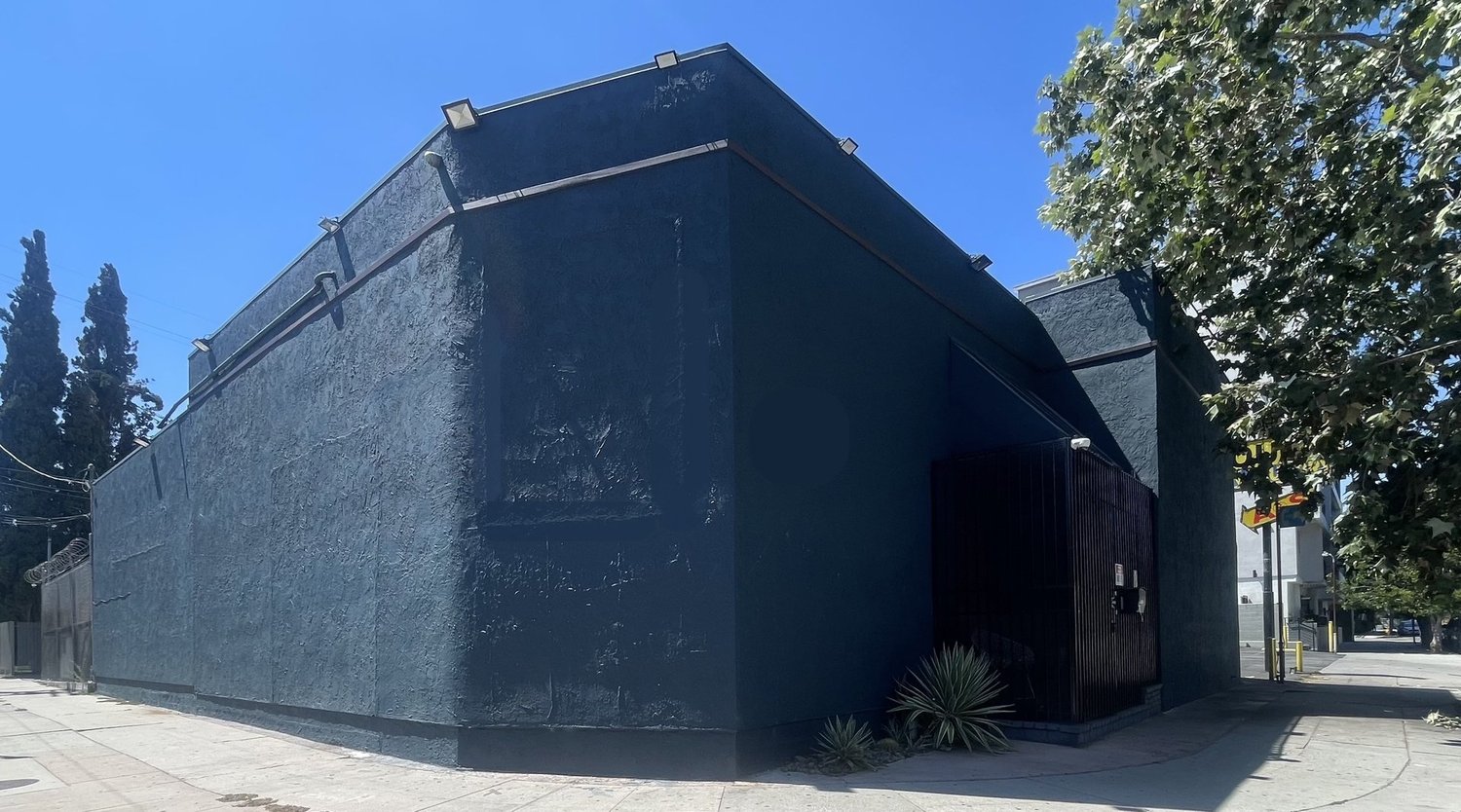
An honest Westside guide
The opportunity is real. So are the constraints.
Santa Monica and the broader Westside attract creative companies, producers, artists and clients who value coastal access and proximity to West Los Angeles. Yet this is not simply Hollywood by the ocean. The inventory of buildings that can support serious isolation, loading, parking, mechanical systems and extended creative use is limited.
Santa Monica’s planning framework recognizes creative arts and light-industrial history in parts of the city, but every parcel has its own regulations. A “creative office” description does not automatically mean a professional recording use, and a beautiful interior does not establish acoustic or technical suitability.
Why users look west
Access, lifestyle and creative adjacency
The strongest Westside facilities turn location into part of the client experience without compromising the fundamentals of professional work.
Client geography
A Westside location can reduce friction for artists, executives and creative teams based near Santa Monica, Venice, Brentwood, Pacific Palisades, Culver City and West Los Angeles.
Discrete scale
Smaller production, writing, voice and mix facilities may fit the local building stock better than large destination studios—if isolation and systems are properly solved.
Experience value
Light, outdoor space, walkability, hospitality and a comfortable arrival can support creative work. Those benefits should complement, not replace, technical performance.
The real estate test
Can this specific building support the use?
Westside demand can make it tempting to compromise. A disciplined review keeps location enthusiasm from obscuring expensive limitations.
Use and approvals: confirm the zoning district, current certificate and intended occupancy, operating conditions, parking, accessibility and any landlord or condominium restrictions.
Residential adjacency: shared walls, nearby housing and mixed-use development increase the importance of sound isolation, mechanical noise control, operating hours and respectful arrival patterns.
Building economics: higher land and occupancy costs can favor efficient room programs. Compare the cost of adapting a compromised space with the premium for a genuinely suitable one.
Structure and envelope: evaluate slab, roof, clear height, columns, glazing, water intrusion and the ability to add mass, decoupled assemblies and quiet mechanical distribution.
Parking and loading: verify legal spaces and practical movement of clients and equipment. A studio that depends on difficult curb access may lose time on every session.
Future flexibility: because buildout cost may be substantial, consider whether rooms can support multiple creative formats and whether the real estate has value beyond the current studio configuration.
The wrong shortcut
Choosing the address before defining the work
A desirable ZIP code cannot compensate for inadequate isolation, power, cooling, access or use rights. Begin with session type, room count, client load, hours and technical needs.
The better strategy
Search for the rare fit
Prioritize buildings with the bones and context to support the facility. Then assess how much of the existing buildout is genuinely useful and how much must be replaced.
Santa Monica & Westside
Search around the intended use
We help buyers, tenants and owners connect a specialized studio brief with the realities of Westside real estate.