
Neighborhood guide · Hollywood
Hollywood recording studios
A historic studio corridor where identity, room quality, access and adaptive-reuse realities meet.
Why Hollywood matters
The address can carry history. The facility still has to work.
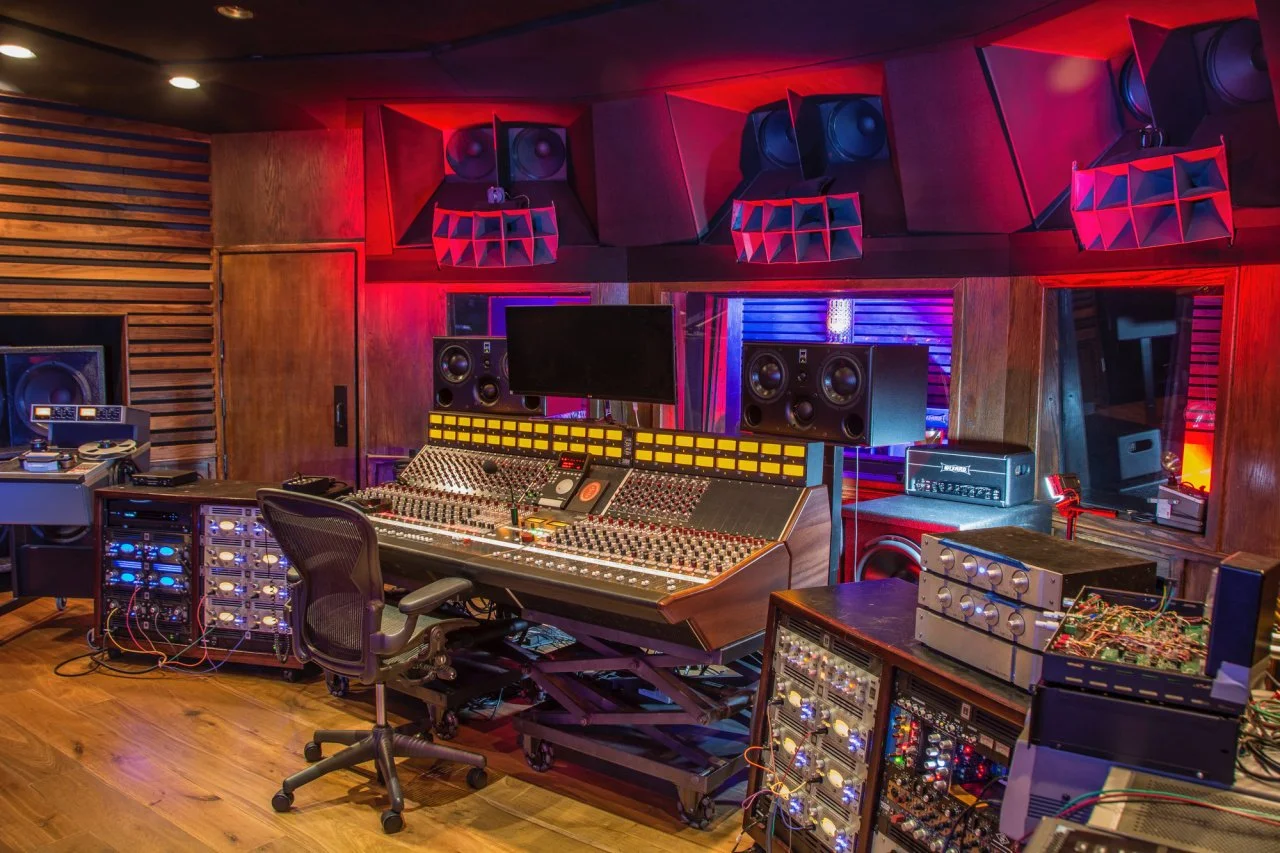
Hollywood’s name is inseparable from recorded entertainment. Capitol Studios opened in 1956, while the building now operated as EastWest moved from market and nightlife uses into broadcasting and then Western Recorders before becoming part of Bill Putnam’s celebrated recording complex.
That history gives the area real cultural and marketing value. It does not make every converted commercial space a professional studio. The individual building, rooms, infrastructure, approvals and operating context remain decisive.
The Hollywood advantage
Heritage, centrality and creative recognition
For the right operator, Hollywood can combine a globally understood location with proximity to artists, labels, management, production companies and a deep technical labor pool.
Studio identity
A recognized building or corridor can contribute to client confidence and brand story, especially when the rooms have a documented creative history.
Central access
Hollywood can be convenient to West Hollywood, the Valley, central Los Angeles and many entertainment businesses—but traffic patterns and arrival experience matter.
Creative reuse
Former broadcast, office, retail and light-industrial buildings may offer useful volume or character. Existing construction still needs technical and permit review.
The property questions
What a tour should reveal
Hollywood studio decisions often turn on the relationship between valuable buildout and constrained urban real estate.
Parking and discreet arrival: artists, staff and clients may arrive at different times and with different privacy needs. Confirm on-site spaces, access control, ride-share handling and after-hours entry.
Loading and equipment movement: doors, stairs, elevators, corridors and curb conditions can determine whether instruments, consoles and production equipment can be moved without extraordinary cost.
Neighbors and background noise: restaurants, nightlife, residences, mechanical plants and street activity all deserve listening tests at relevant hours. Isolation cannot be judged from a midday walk-through alone.
Adaptive-reuse conditions: older buildings may conceal roof, water, electrical, seismic, ventilation or unpermitted-construction issues. Specialized rooms can make ordinary systems harder to inspect.
Use and occupancy: verify what the current approvals allow, whether any conditions limit hours or activity, and whether the intended plan changes occupancy, parking, accessibility or fire-life-safety requirements.
Exit strategy: understand the building without the studio. Land, frontage, parking, density and plausible alternate use affect value if the next buyer does not need the existing rooms.
For owners
Document the history—and the systems.
Credits and stories can help establish identity, but qualified buyers also need room dimensions, isolation details, electrical and HVAC information, cable schedules, equipment lists, permits and a clear statement of what is included.
For buyers and tenants
Pay for utility, not mythology.
Separate the value of the location and creative history from the cost of adapting the building to your workflow. A beloved room can be irreplaceable; obsolete or undocumented work can be a liability.
Hollywood studio real estate
Evaluate the property and the rooms together
We help owners position specialized facilities and help buyers or tenants define the operational brief before the search.