
Neighborhood guide · Burbank
Burbank recording studios
Where audio facilities often operate inside a broader film, television, broadcast and post-production ecosystem.
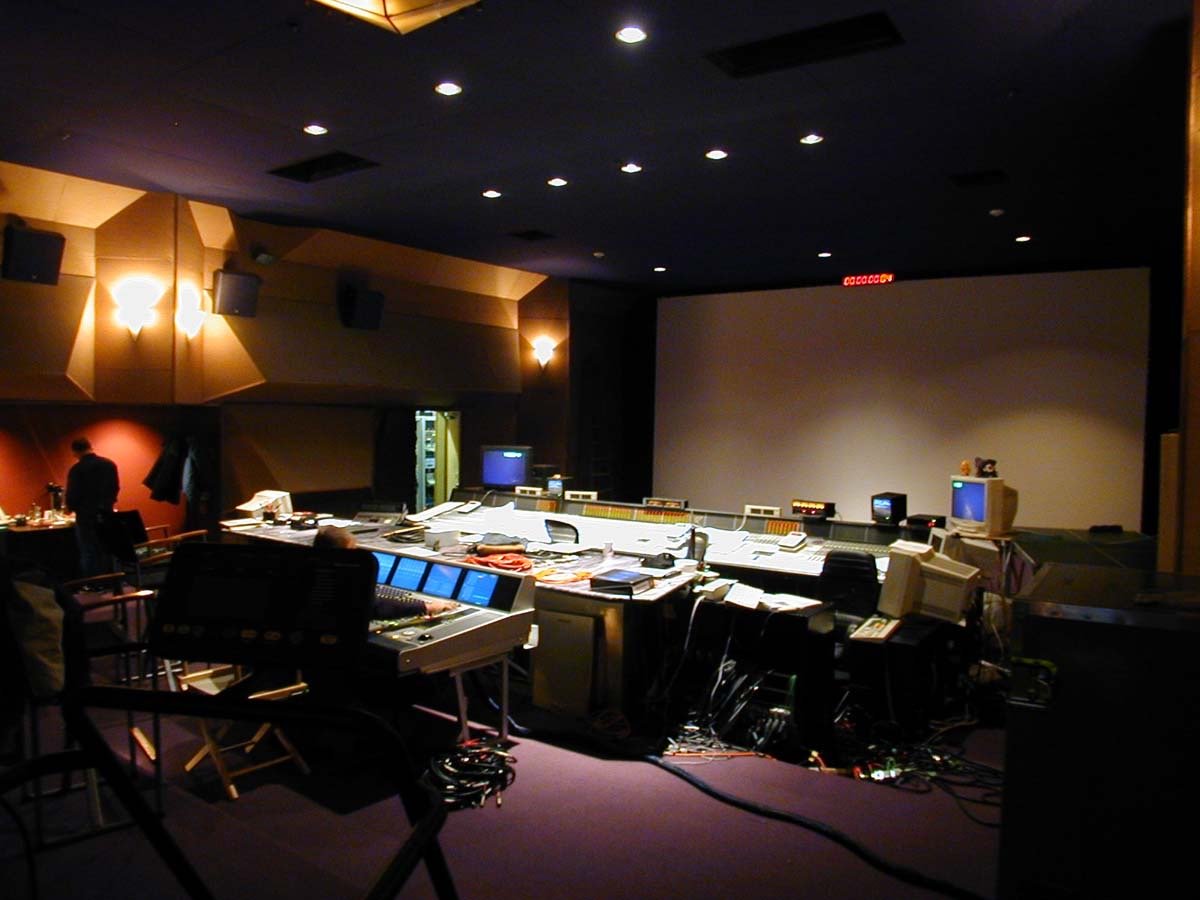
Media-city context
Audio is part of a larger production chain.
The City of Burbank describes a concentration of more than 1,000 media and entertainment companies. That surrounding ecosystem helps explain why local audio real estate may be oriented toward scoring, voice recording, ADR, mixing, editing, content production and secure client services as much as conventional album sessions.
For real estate purposes, the advantage is not simply proximity to famous studio lots. It is the potential fit between a facility, its clients, its workforce and a production-ready operating environment.
Burbank facility types
Rooms shaped by picture, voice and sound
A property brief should name the actual workflow. “Recording studio” is too broad to describe what a scoring room, ADR stage, mix theater or voice facility requires.
Scoring & music
Room volume, sightlines, isolation, musician support, loading and flexible technical connectivity can matter more than a large equipment list.
ADR & voice
Extremely low background noise, picture synchronization, secure workflows, client areas and dependable connectivity support professional dialogue work.
Mix & post
Calibrated monitoring, projection, machine and server support, data security, network capacity and room-to-room workflow drive usefulness.
Content studios
Podcast, broadcast, livestream and video production may combine sound isolation with lighting, camera clearance, control rooms and rapid turnaround.
Owner-user facilities
Smaller buildings can support a focused company or production team when parking, access, power, security and the room plan align.
Integrated campuses
Some users need audio, edit, office, stage and storage functions together. Circulation and separation between noisy and quiet uses become central.
Burbank due diligence
Operational details deserve early attention
Media proximity is valuable only when the building can support the schedule, security and technical reliability of the intended work.
Location within the city: Burbank includes major studio districts, commercial corridors, industrial areas and residential edges. Confirm the parcel’s actual zoning and approvals; do not infer use rights from a nearby media address.
External noise: traffic, aircraft, trains, neighboring shops and rooftop equipment can affect low-noise recording. Test at multiple times and review the isolation strategy, not just interior treatment.
Client and staff logistics: parking, secure arrival, meal access, restrooms and long-session comfort matter. Production users may require extended hours and predictable access.
Power and cooling: suites built for ordinary office use may not support equipment loads, quiet air delivery or redundant technical systems without significant work.
Connectivity and security: high-capacity data, controlled machine rooms, remote collaboration and content-security practices may be essential to the business using the rooms.
Expansion and alternate use: evaluate whether adjacent suites, yard, office and support areas can accommodate growth, and how readily the property works for a future non-audio user.
Burbank audio facilities
Start with the workflow, then find the real estate
Entertainment Real Estate Services helps define specialized facility needs, evaluate existing buildouts and present their value to the right creative users.