
Residential field guide · Hollywood Hills & Los Angeles
Hollywood Hills home studios & entertainment homes
How professional creative rooms, private theaters, pools, architecture and privacy come together—and what buyers and sellers should understand before making a decision.
More than an amenity list
The best entertainment homes make creative life feel natural.
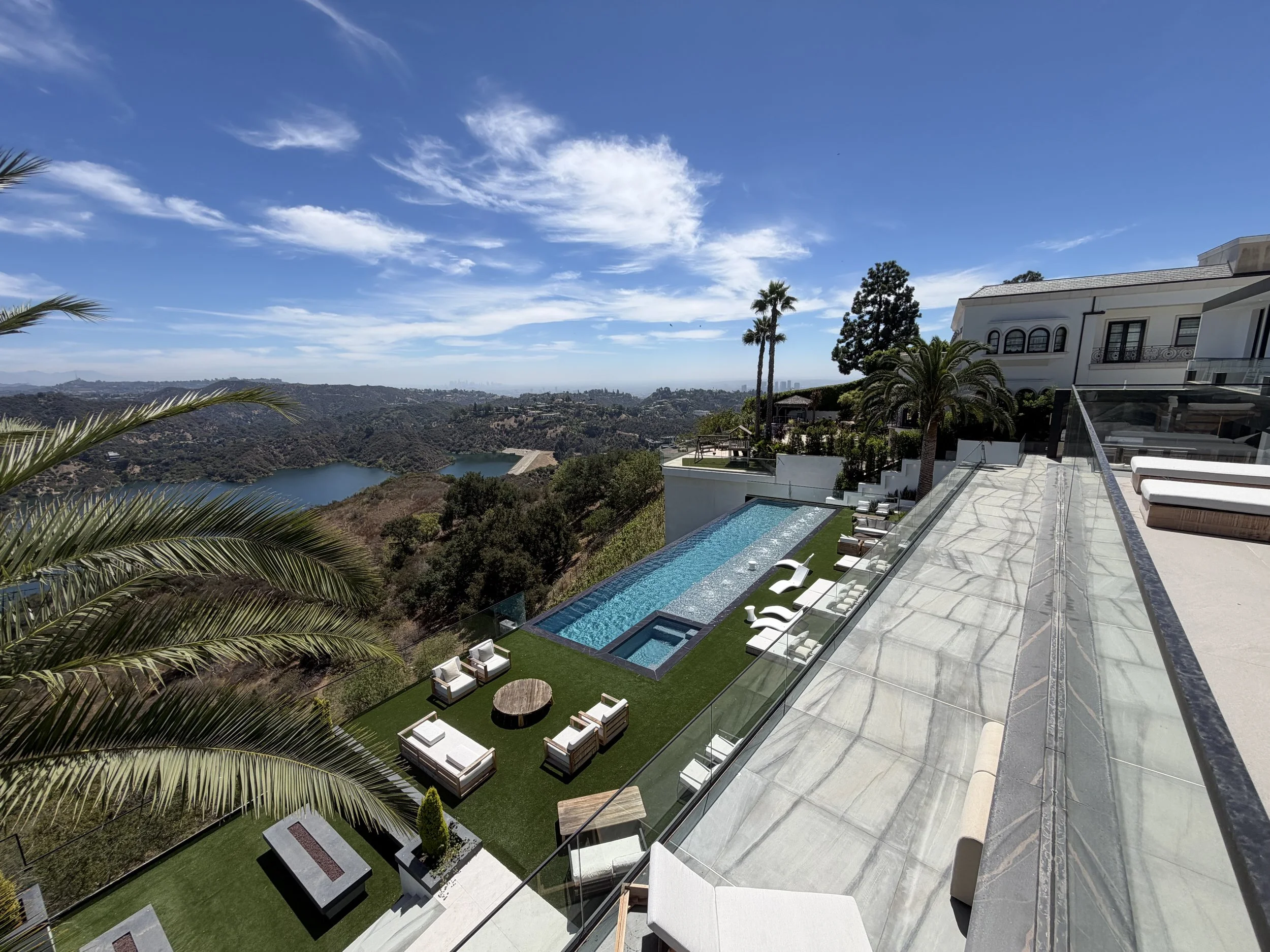
A compelling entertainment residence works first as a home. Architecture, privacy, views, light, circulation and outdoor living establish the experience; studios, theaters and other specialized rooms should strengthen it rather than feel added on.
That distinction matters in real estate. A beautiful control room still needs credible isolation, power, cooling and access. A private theater still needs proper sightlines, sound control and serviceable equipment. A pool or bowling alley adds value when it belongs to a complete and coherent property story.
A Los Angeles tradition
From creative refuge to fully integrated residence
Hollywood Hills and canyon homes have long provided artists with privacy, community and distance from institutional schedules. Technology changed what could happen at home; the most important questions remained physical.
Writing, rehearsal and community
Hillside and canyon residences became places to write, collaborate and gather. A Library of Congress essay on Déjà Vu, for example, places part of the album’s creative development at a Laurel Canyon home.
Professional tools move home
Compact multitrack systems, synthesizers and later digital workstations allowed more work to move into spare rooms, garages, guesthouses and purpose-built additions.
The residence becomes part of the workflow
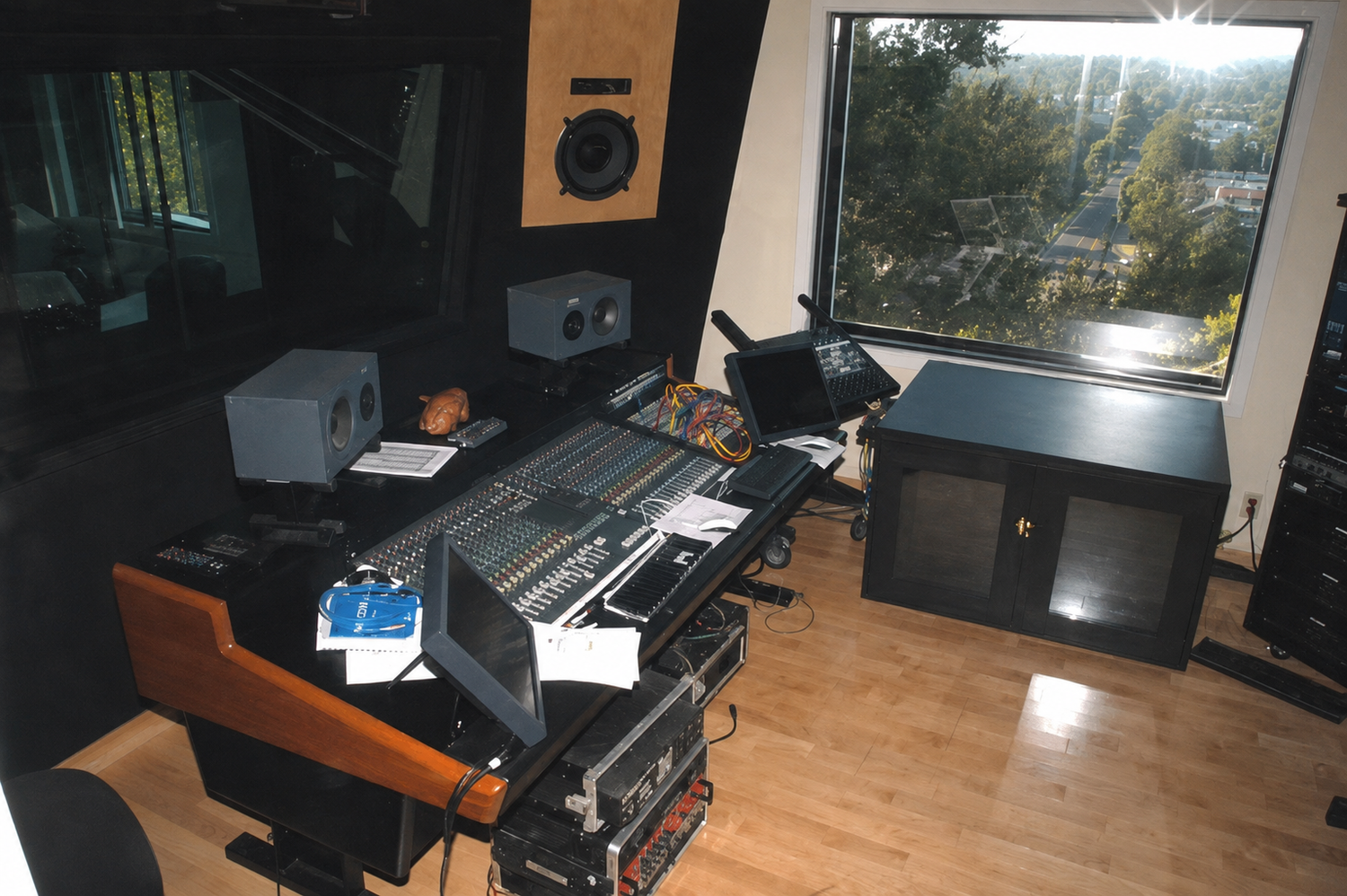
More serious facilities introduced dedicated control and live rooms, isolation, quiet HVAC, technical wiring, secure arrival and separation from private family areas.
Creation, screening and hospitality converge
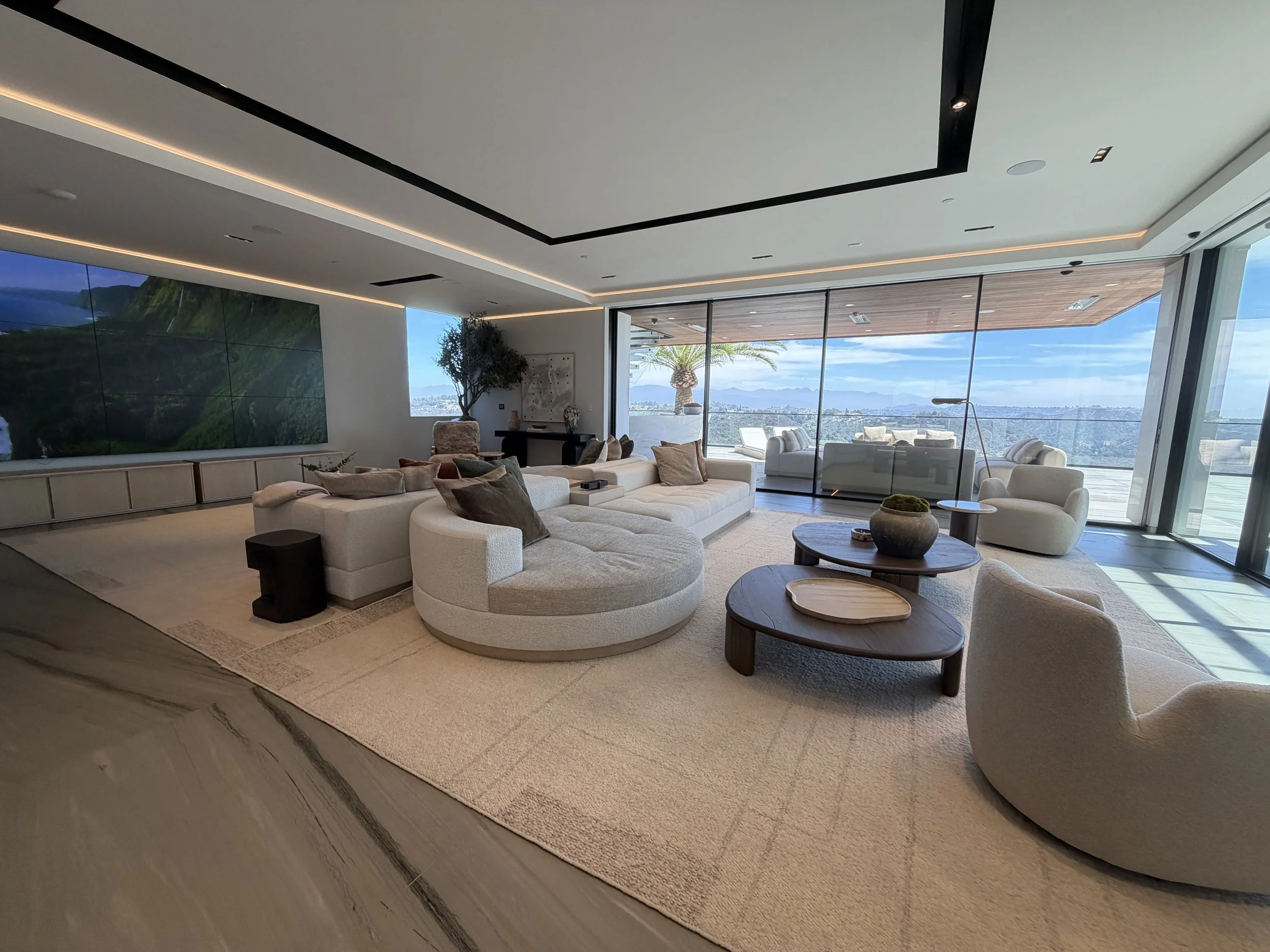
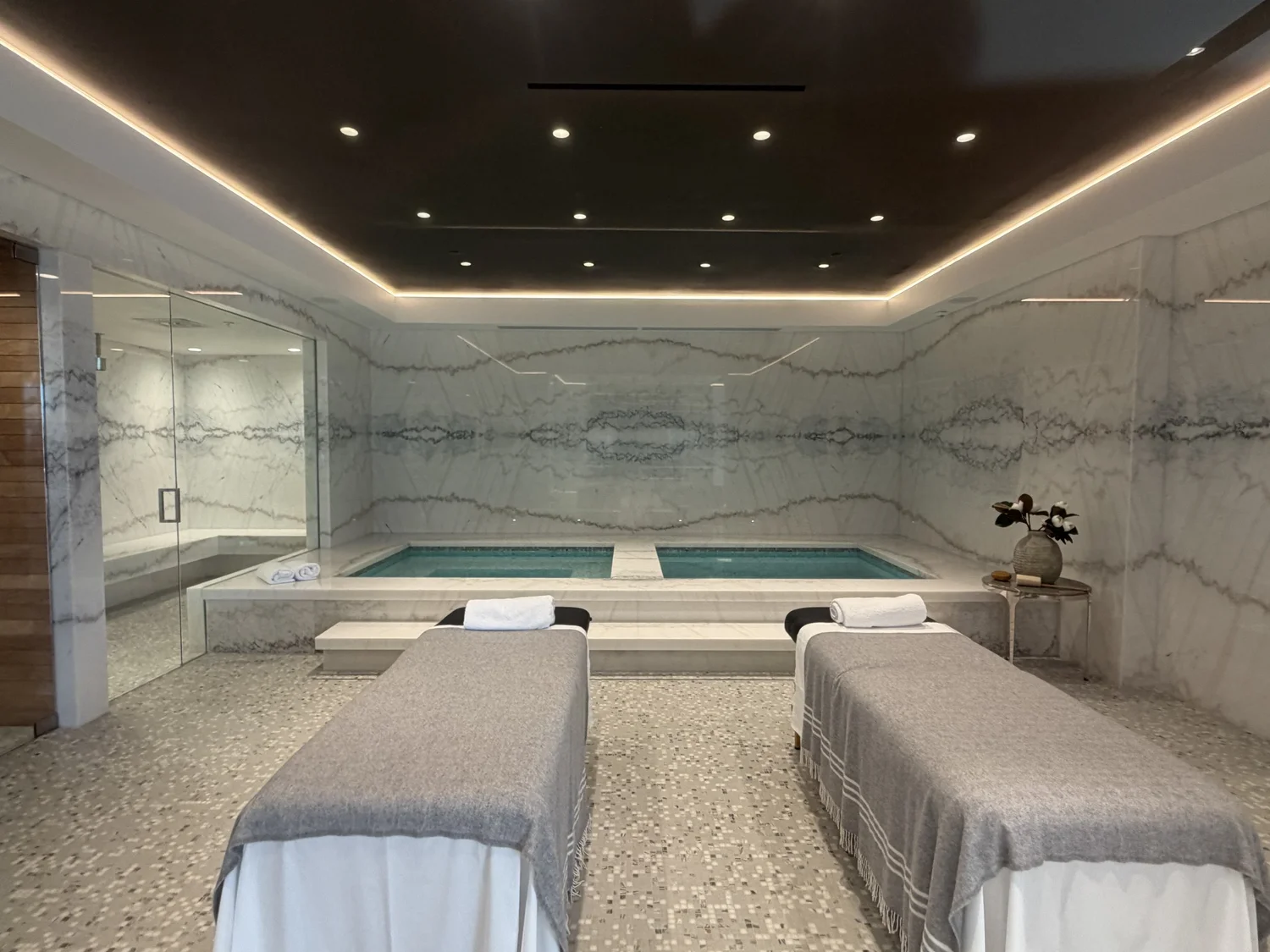
Today’s distinctive properties may combine recording, screening, performance, pools, wellness, guest space and indoor-outdoor entertaining within one residential experience.
What makes a great home studio
Professional performance without sacrificing the home
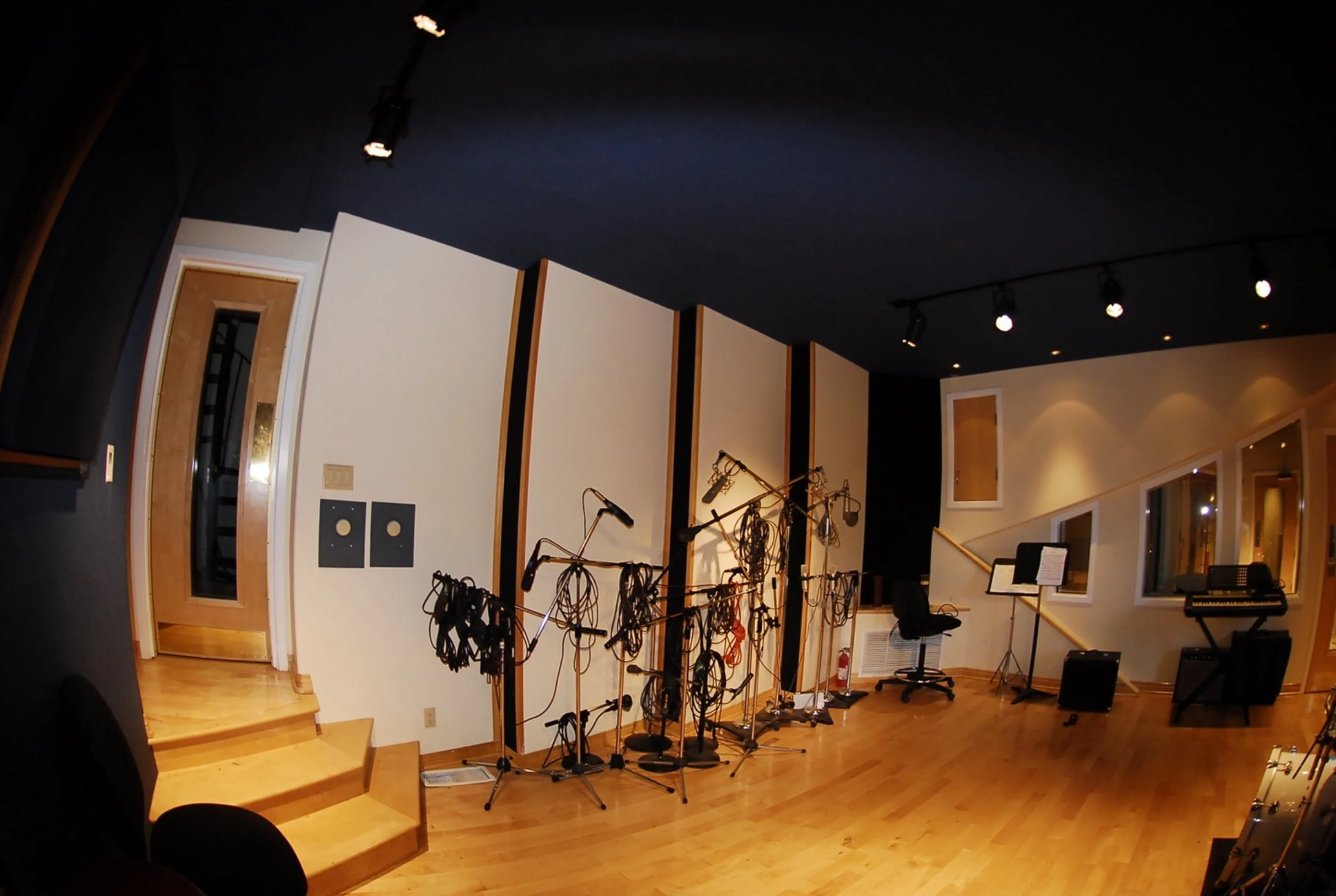
A residential studio must support serious creative work while protecting privacy, comfort, value and the experience of the residence around it.
Separation
Lower levels, guesthouses and detached structures can create useful distance. Relationships to bedrooms, neighbors and outdoor areas still deserve careful review.
Isolation & acoustics
Treatment within a room is not the same as containing sound. Structure, doors, glazing, penetrations and low-frequency energy determine how work affects the property.
Quiet comfort
HVAC must cool people and equipment without announcing itself on a microphone—or sending mechanical noise into living areas.
Arrival & circulation
Parking, gates, separate entrances, restrooms and client routes can let collaborators reach the studio without moving through private areas.
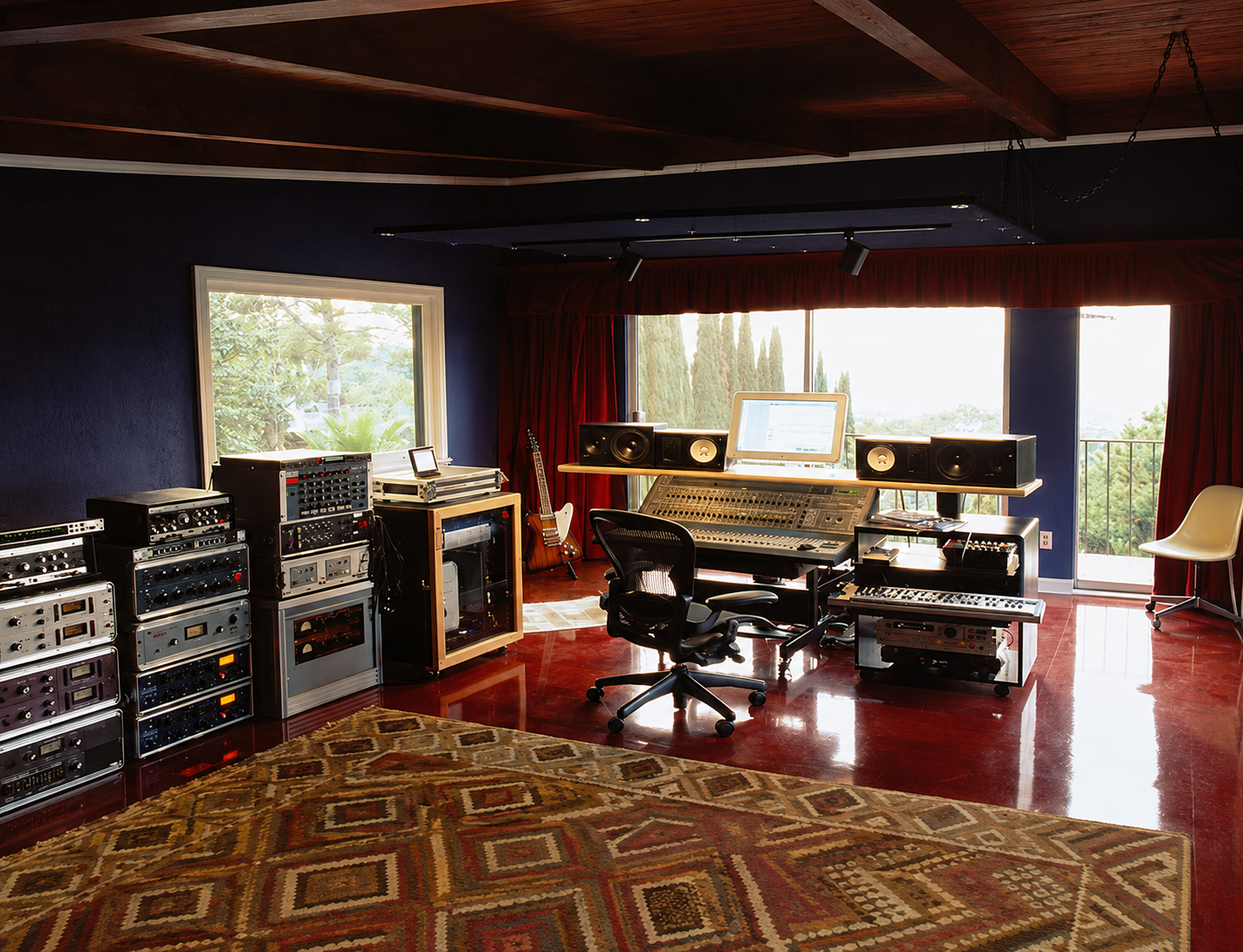
Power & connectivity
Electrical capacity, grounding, network reliability, cable paths, equipment cooling and future expansion should be documented as systems.
Flexibility
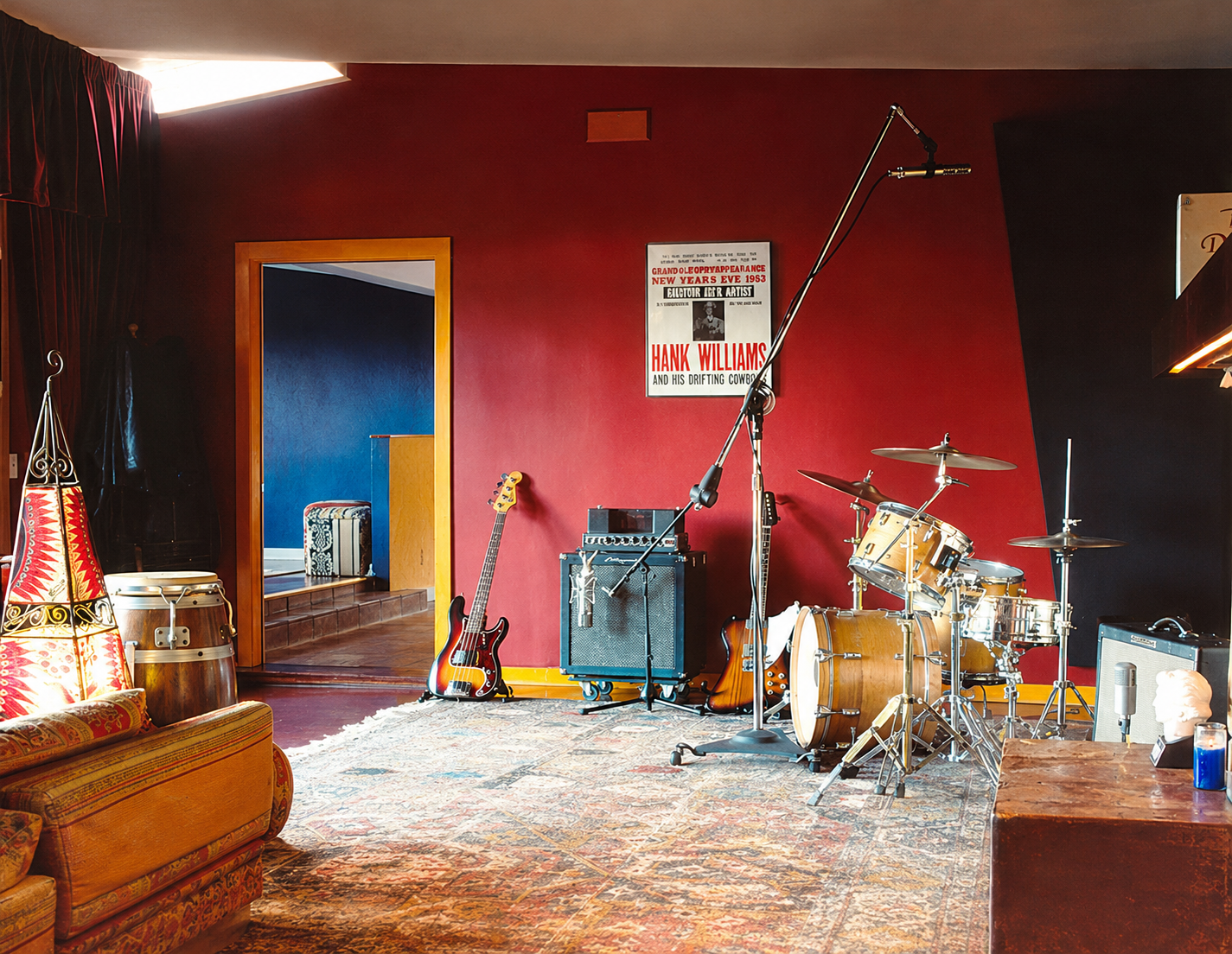
A studio may also serve as a writing room, media room, office or guest suite. Thoughtful adaptability can broaden long-term residential appeal.
Read the Los Angeles recording studio history & design guide →
Theaters, pools & uncommon amenities
Evaluate each feature as a complete environment
Memorable amenities create lasting value when their design, operating condition and relationship to the rest of the home are coherent.

Private theaters
Picture, sound and atmosphere
Review sightlines, screen size, projection, speaker layout, acoustic control, equipment access, ventilation and seating comfort—not simply the number of seats.
Pools, spas & grounds
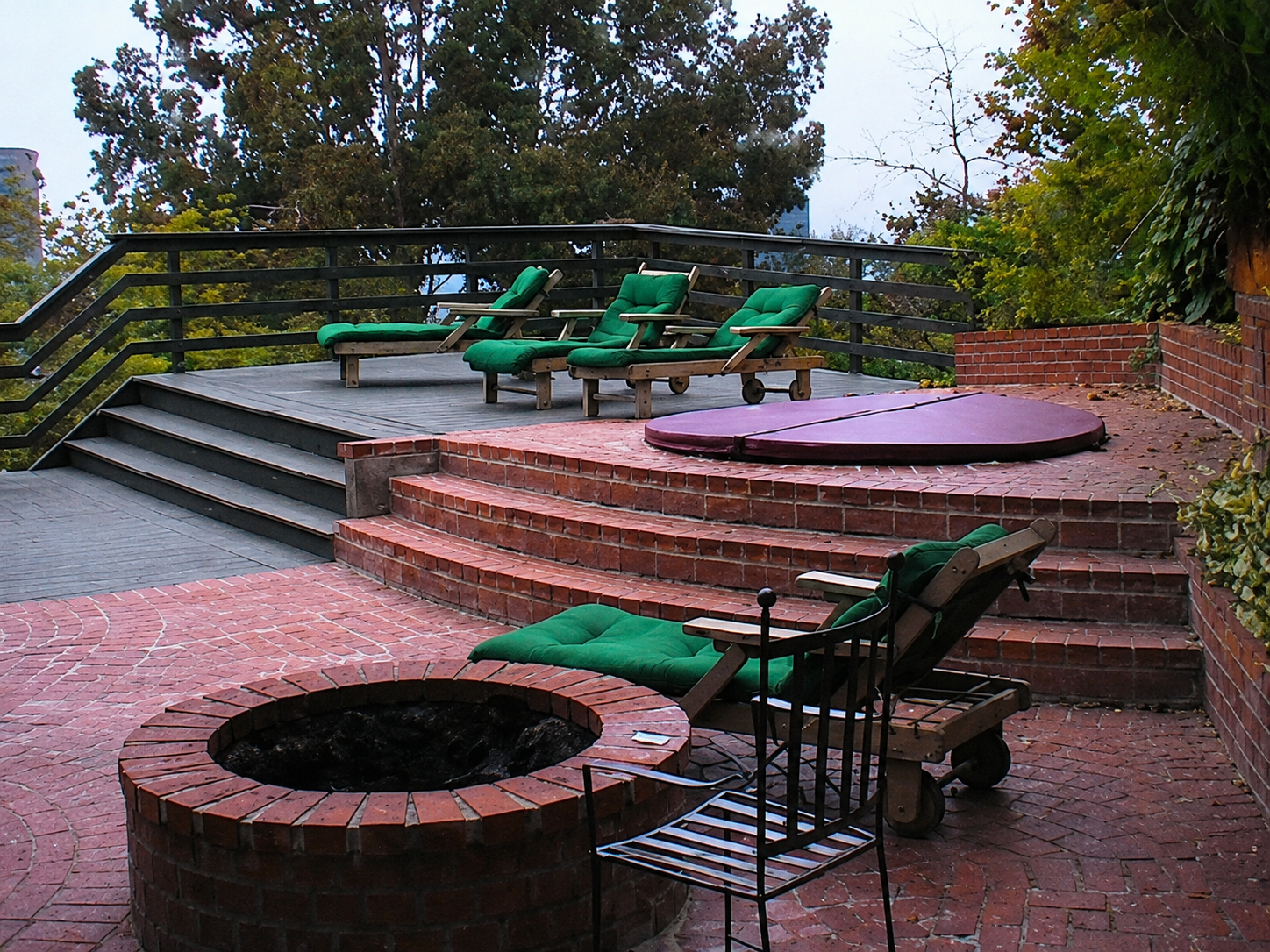
Outdoor life as part of the architecture
Privacy, sun, views, sound, drainage, safety, guest circulation and the connection to indoor rooms all shape how the grounds perform.

Music rooms & salons
Creative identity without a formal studio
Volume, natural light, stable environmental conditions and thoughtful acoustics can turn a living space into a compelling place to write, play or gather.
Uncommon amenities
Designed for memorable gatherings
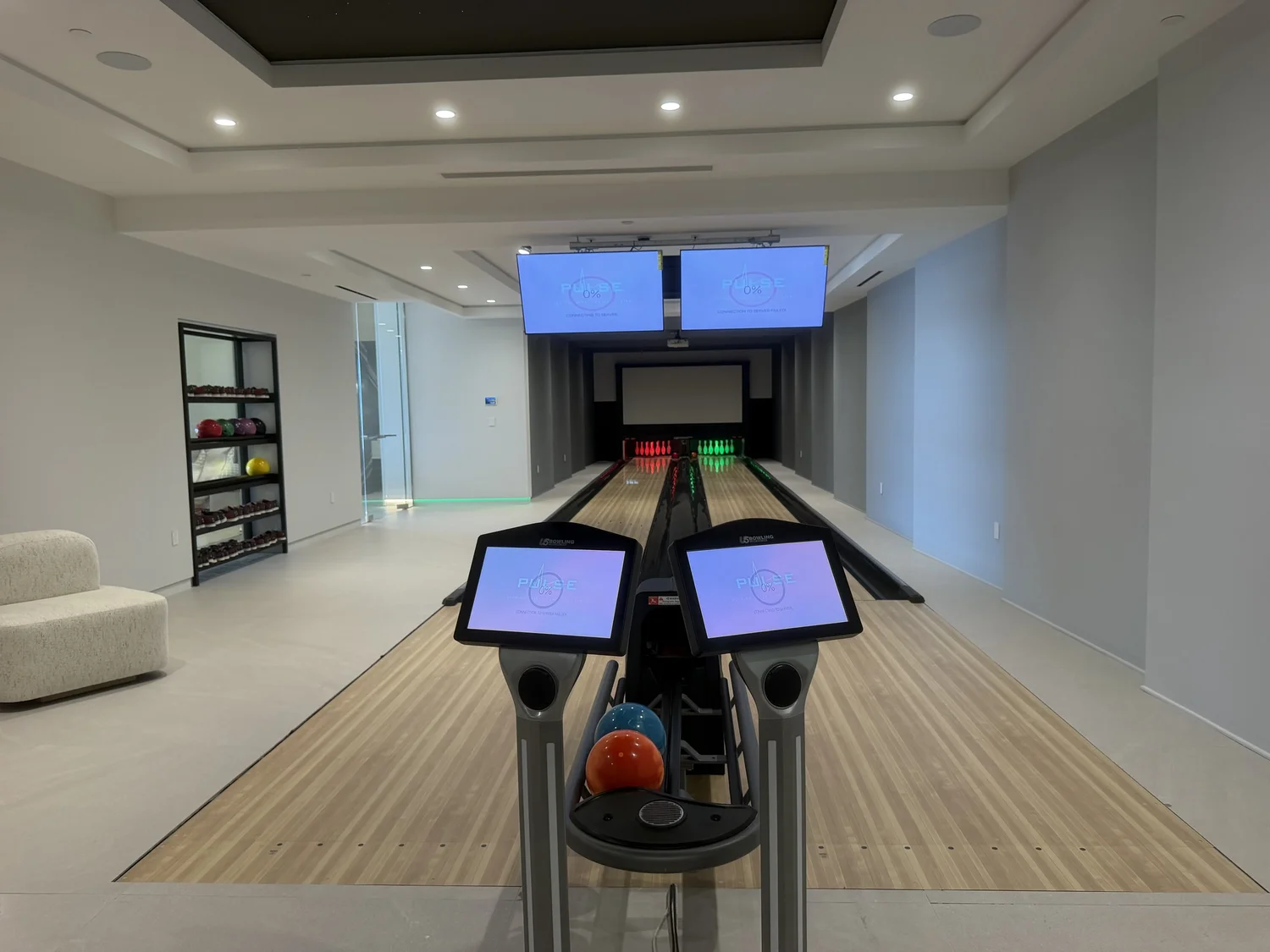
Bowling alleys, game rooms and performance spaces should be considered alongside access, sound, service routes, maintenance and alternate use.
Selected residential work
Three homes. Three expressions of entertainment living.
These current and completed assignments show why the residence and its specialized spaces should be presented as one property—not as disconnected features.
For SaleHollywood Hills
Home with Private Bowling Alley
A distinctive residence centered on panoramic views, a private bowling alley and entertainment-focused amenities.
View the property →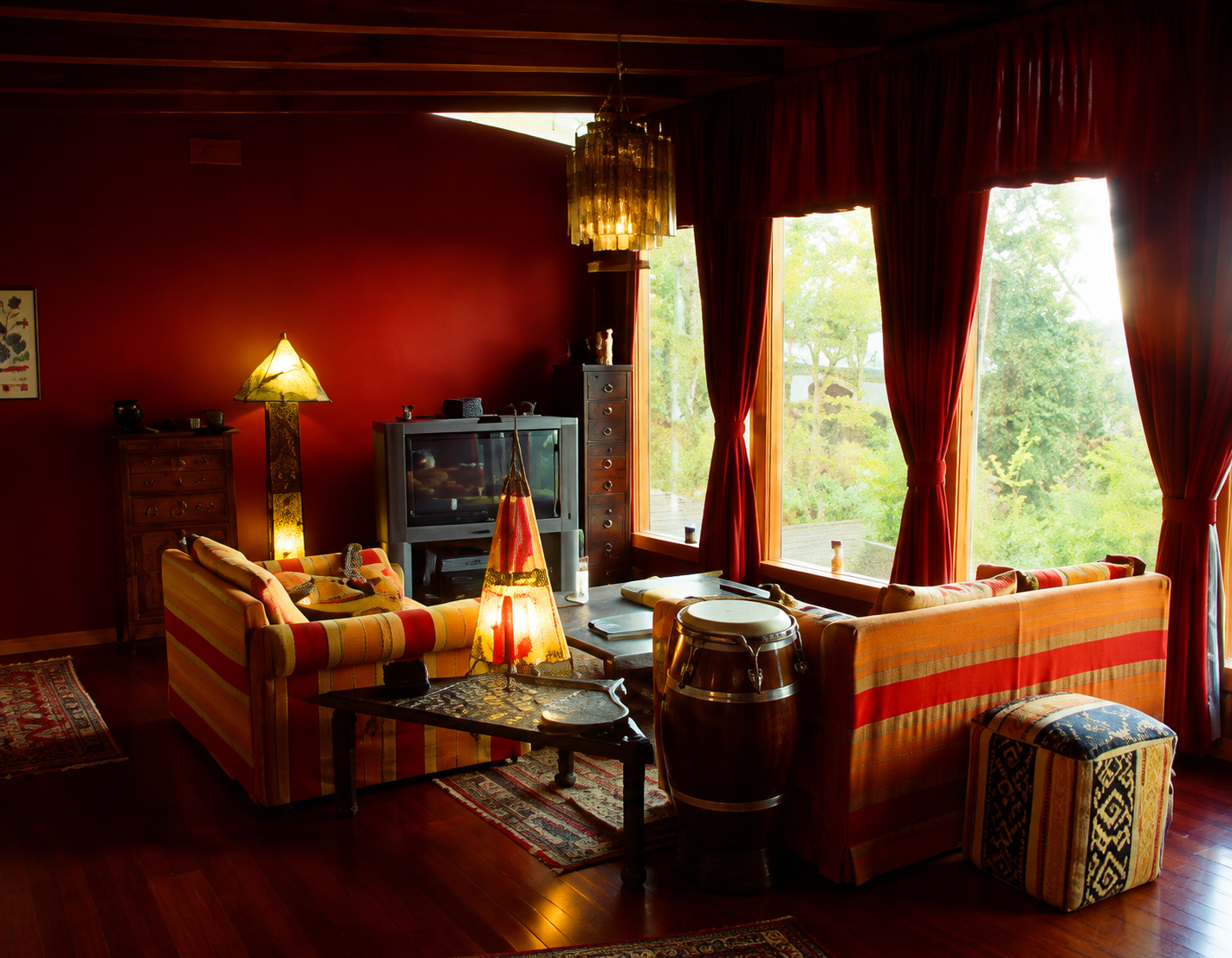 Sold
SoldHollywood Hills
Trendy Hollywood Hills Home Studio
A warm hillside residence with dedicated control and sound rooms, views and intimate indoor-outdoor entertaining spaces.
View the property →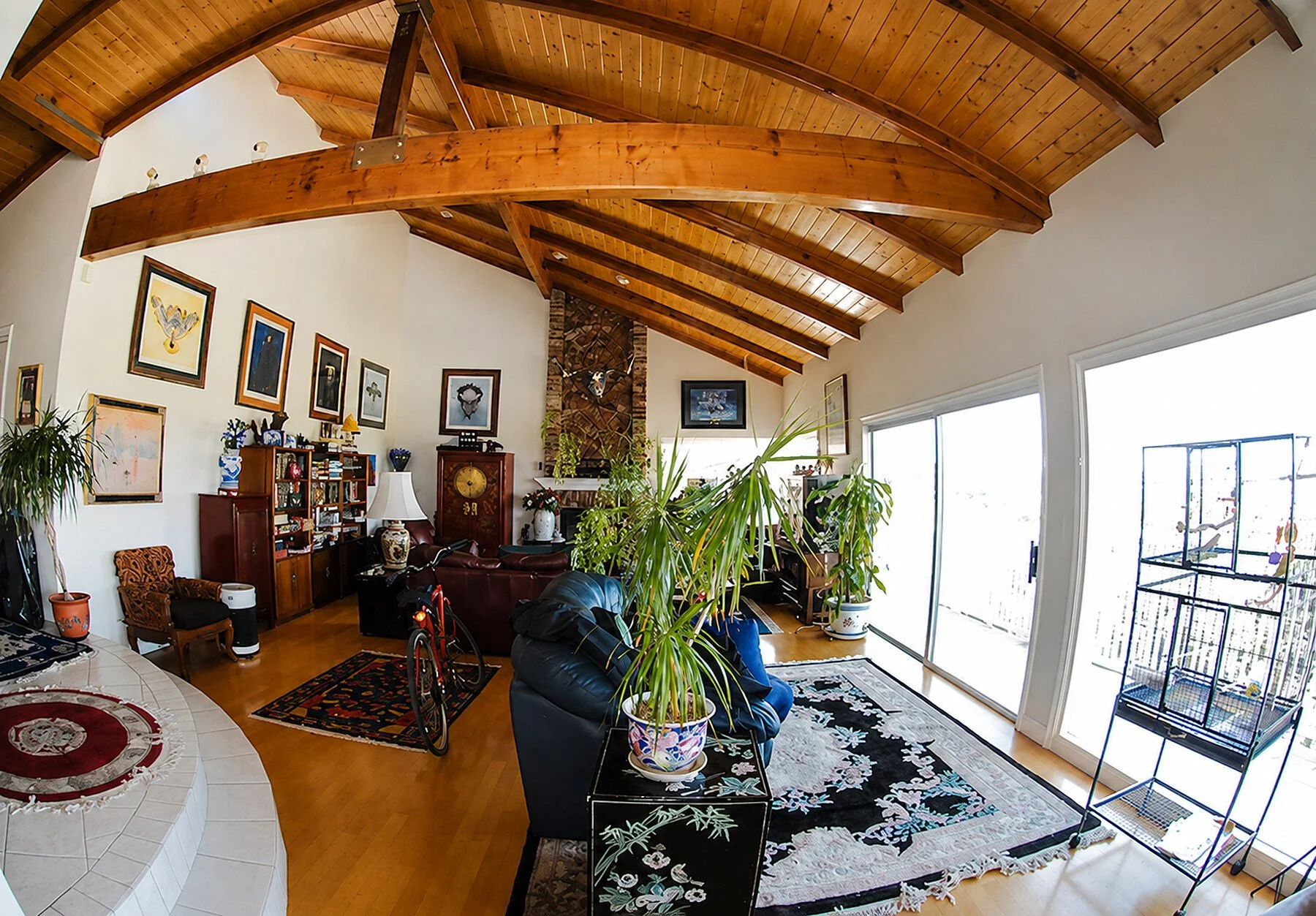 Sold
SoldStudio City Hills
Home with 1,300+ Sq. Ft. Studio
A residential property with a lower-level studio, control and sound rooms, four isolation booths and panoramic views.
View the property →Hollywood Hills realities
Topography changes the checklist
Views, architecture and privacy attract buyers to hillside homes. The same terrain can complicate access, drainage, insurance, construction, emergency response and future expansion.
Structure & drainage
Review foundations, retaining systems, slope, drainage, geotechnical history and evidence of movement or water. Specialized rooms can add weight and conceal surfaces.
Street, parking & arrival
Narrow roads, steep drives and limited turnarounds affect daily life, guests, equipment deliveries, service vehicles and emergency access.
Sound in the canyon
Canyon acoustics can carry sound in unexpected ways. Evaluate studio leakage and outdoor entertainment from neighboring properties as well as the subject home.
Runoff & intrusion
Roof drainage, hillside runoff, waterproofing, retaining-wall drainage and evidence of past intrusion should be examined within the larger site history.
Permits & future work
Review available records for additions, conversions and specialized rooms, then consider whether contemplated improvements are practical for the site.
Insurance & emergency planning
Discuss coverage, vegetation, access and property-specific conditions with qualified insurance and safety professionals before committing.
Why specialist representation matters
The home and the entertainment infrastructure belong in one conversation.
Bruce Stratton brings 50 years of recording-industry experience and more than 25 years of specialized brokerage to residential properties with studios, theaters and uncommon amenities. That background helps buyers define what they actually need and helps sellers communicate specialized value without losing sight of the architecture, privacy, land and lifestyle.
For buyers
Define how you want to live and create.
Separate essential requirements from impressive extras: location, privacy, architecture, studio capability, theater performance, outdoor life, staff and guest needs, and future flexibility.
For sellers
Tell one complete property story.
Document the residence, systems and specialized spaces. Explain how the studio, theater, grounds and circulation work together without overstating unverified technical performance.
Residential specialist representation
Find—or position—a home built around the way you live
Discuss a current property, a private search or the best strategy for bringing a distinctive Los Angeles entertainment home to market.
Educational information only. Building, hillside, acoustic, pool, theater, insurance and permit conditions should be independently reviewed by qualified professionals.