
Commercial · Los Angeles
Recording studio real estate in Los Angeles
Specialist brokerage and advisory for buying, selling and leasing purpose-built and converted recording, mixing and music-production facilities.
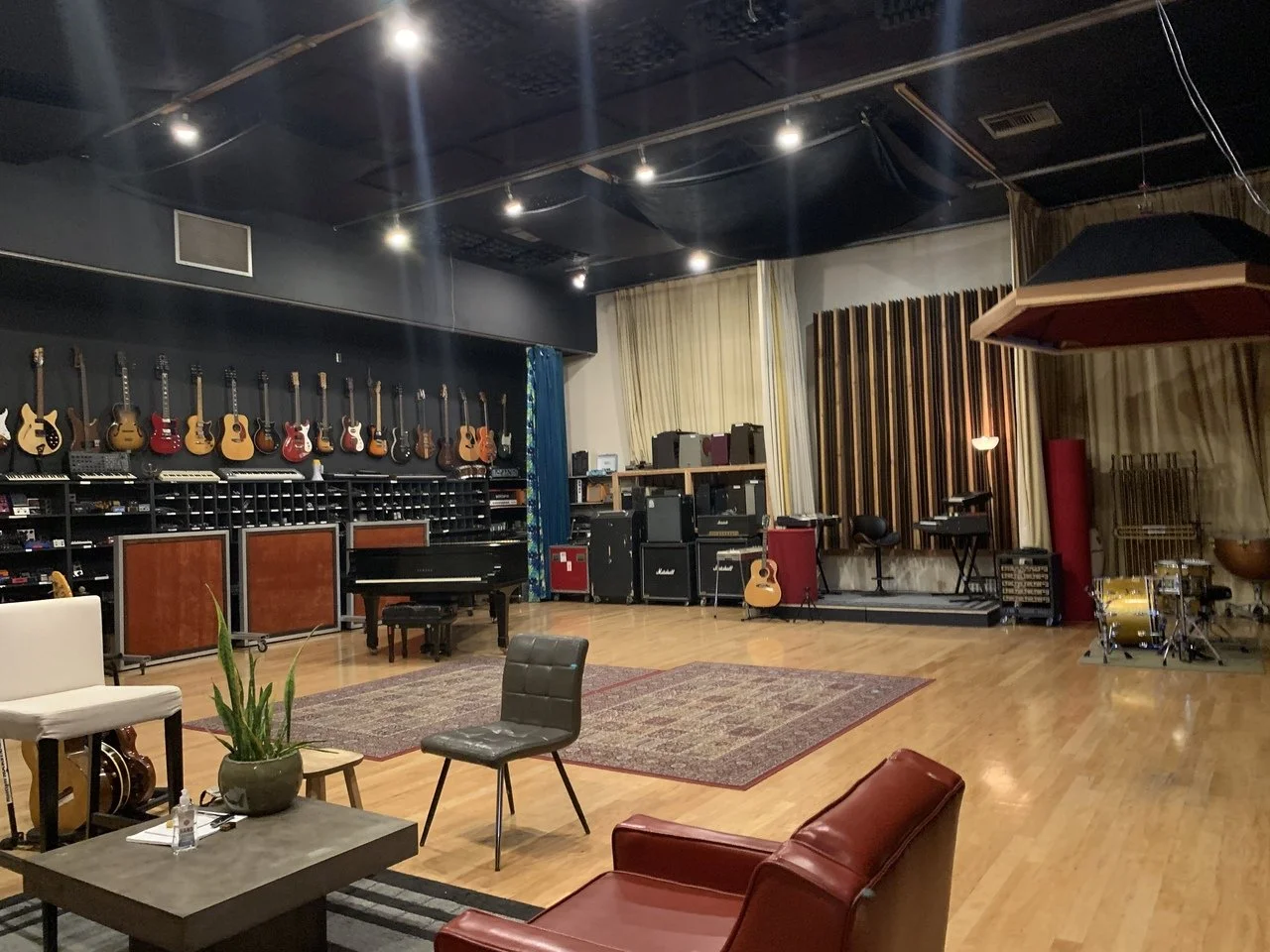
Specialist representation
The value is in how the rooms work.
A credible studio presentation should explain isolation, acoustics, room dimensions, electrical capacity, quiet HVAC, technical infrastructure, parking, loading, security, permitted use and the cost required to recreate the facility. Entertainment Real Estate Services translates those details into a clear property story for artists, producers, labels, operators, investors and developers.
First-hand expertise
Recording-industry knowledge applied to real estate.
Bruce Stratton began by selling professional recording equipment before moving into specialized real estate. With 50 years in recording and more than 25 years in brokerage, he can discuss the building, the buildout and the equipment as parts of one decision—without confusing one category for another.
That background helps owners explain specialized value and helps buyers distinguish essential operating requirements from attractive but unnecessary features.
Los Angeles Times coverage documenting Bruce’s studio specialization (2000) →
Meet Bruce and review his documented experience →Property intelligence
What serious studio users evaluate
The building, the technical environment and the business use must make sense together.
Acoustics & isolation
Room tuning, sound transmission, floating construction and noise control affect utility and replacement cost.
Room relationships
Control rooms, live rooms, booths, machine rooms and lounges must support an efficient session workflow.
Power & quiet HVAC
Clean electrical capacity and low-noise climate systems can be fundamental to professional operation.
Technical infrastructure
Wiring, connectivity, equipment paths and future adaptability help determine whether a facility is ready to use.
Access & security
Parking, loading, privacy and secure arrival matter to artists, staff, clients and equipment movement.
Use & alternatives
Permitted use, surrounding context and plausible alternate uses shape both risk and long-term value.
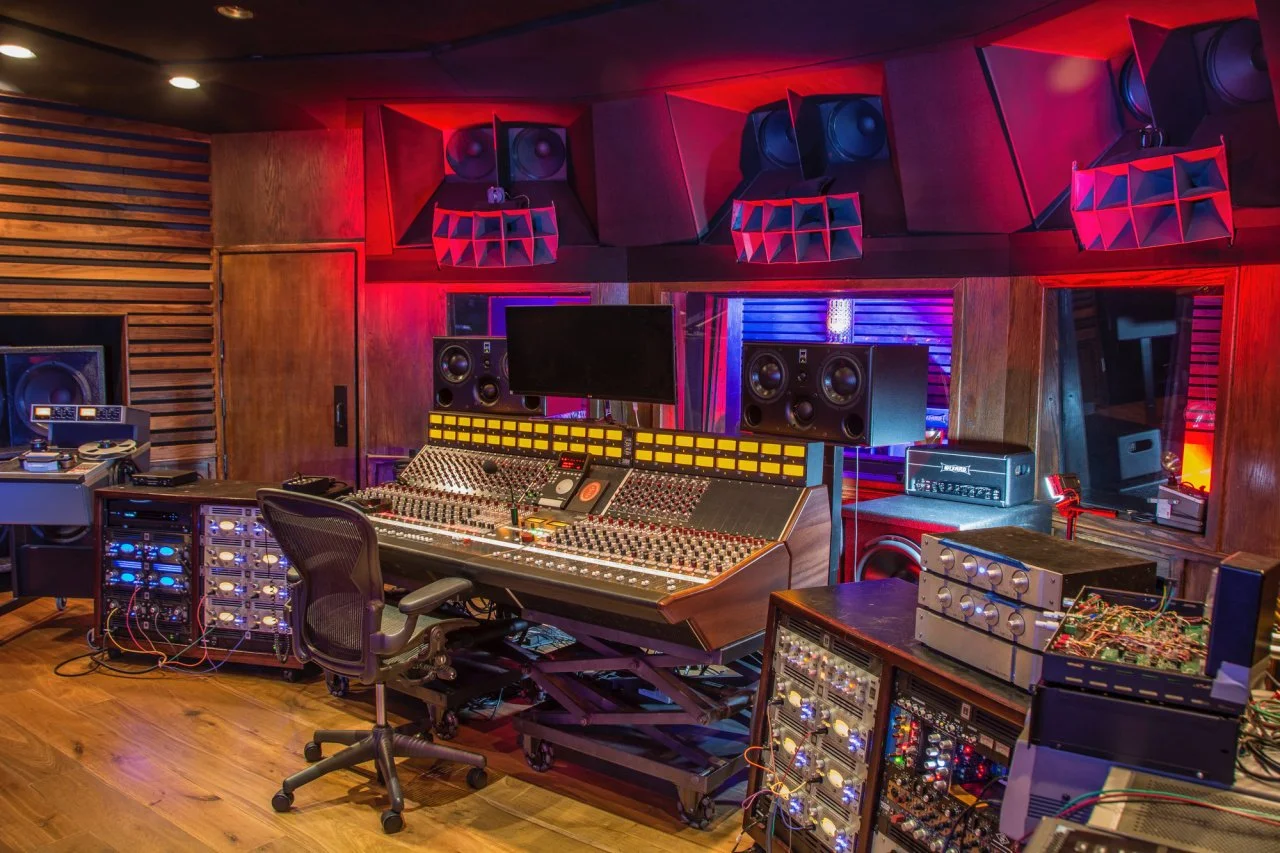
Owners & sellers
Position more than square footage.
We identify the buildout and operating features most likely to matter to qualified creative users, then communicate them clearly and discreetly.
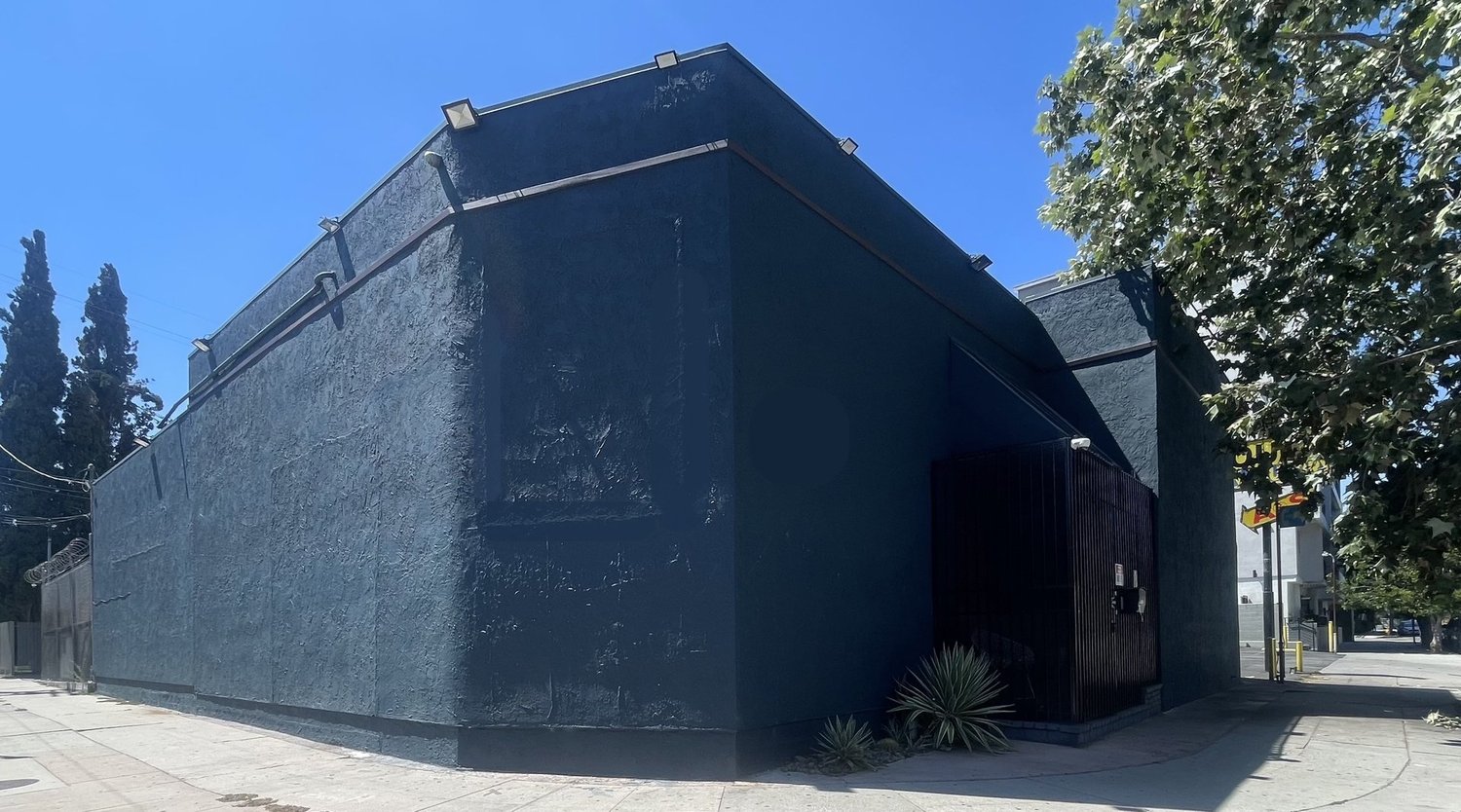
Buyers & tenants
Search around the intended use.
We define operational requirements early so the search stays focused on facilities that can actually support the work.
Public market
Marketed opportunities
When a property is publicly available, we present the building and the specialized facility as one complete value proposition.
Private market
Controlled introductions
Some owners prefer targeted exposure. Qualified inquiries can be considered for authorized private or upcoming assignments.
Buying, selling & valuation
Questions serious studio decisions raise
Direct answers based on the property, the buildout and the intended use.
How is a recording studio valued?
Value begins with land and building fundamentals, then considers permitted use, the quality and condition of the specialized buildout, isolation, acoustics, power, quiet HVAC, wiring, parking, loading, replacement cost and plausible alternate use. Recording equipment should be identified separately because some items may be personal property or excluded.
What is included in a studio sale or lease?
Real estate, installed improvements, studio systems, furniture and recording equipment can be treated differently. A credible offering identifies what is installed, what conveys, what is negotiable and what remains subject to inspection and agreement.
What should a buyer or tenant verify?
Review permitted use, occupancy, electrical capacity, HVAC noise, sound isolation, cabling and signal paths, roof and building condition, access, parking, loading, security, neighboring uses and the practical cost to adapt the rooms.
Can a studio search stay private?
Yes, when an owner authorizes a controlled introduction. Private-market access is not guaranteed; property information is shared with qualified parties only when the owner permits it.
How should an owner prepare to sell or lease?
Gather plans, permits, room dimensions, a clear list of included equipment and systems, operating history, recent repairs and known limitations. Separating documented facts from assumptions makes diligence and presentation more credible.
Does the gear determine the property value?
Gear matters to studio users, but it does not automatically equal real-property value. Consoles, monitors and outboard equipment may be negotiated separately from the land, building and permanent specialized improvements.
Start a conversation
Discuss a studio or facility
Tell us whether you are preparing a studio for sale or lease, beginning a search, or evaluating a specialized facility.
Availability changes. Confidential property information is shared only when authorized and appropriate.